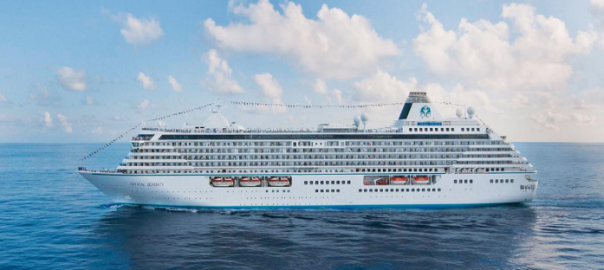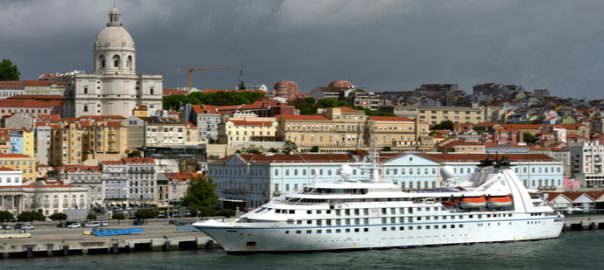
Size does matter when it comes to cruising. And as COVID-19 has (temporarily) swept away our dreams of sailing the world on big and extravagant cruise vessels, people are now looking to small ships to fulfil their wanderlust needs. As the majority of larger ships lay docked in ports worldwide, smaller ships are proving safer options being pandemic-proof, eco-friendly and limiting the risk of a virus break out.
It’s no secret that the cruise industry has been shaken to its core by the impact of COVID-19, and with large cruise ships lying remote in harbours around the world — most ships won’t set sail till 2021. With an 85 per cent drop in revenue in the cruise industry, big cruise ship companies like Carnival and Cunard have delayed their restart once again, with the hope to set sail in October, as well as the delayed launch of the largest cruise ship in the world, Royal Caribbean’s Wonder of the Seas.
With new health and safety regulations, larger cruise ships are finding it harder to make the appropriate changes to dining facilities (seating, spacing), air ventilation and re-working boarding procedures for passengers and crew at various ports. Not to mention implementing mandatory face masks for all guests and staff, social distancing on board and self-service-buffets more than likely become a thing of the past. There’s also high risk if the Coronavirus breaks out onboard that all passengers would be forced into quarantine.
All these factors combined contribute to the need for travellers to consider safer (and smaller) travel options for cruising amidst a global pandemic.
Smaller Cruise Ships
The solution to the revival of the cruise industry may be found in smaller cruise ships.
Smaller ships are not only more convenient in getting to different places, they’re also a safer option for passengers during the pandemic. Not to mention, they’re also environmentally friendly compared to larger cruise ships.
Managing director of Mundy Cruising, Edwina Lonsdale, said that 90% of cruise-bookings in the last have been for ships with less than 1000 passengers, and for river cruises, people prefer boats carrying less than 150 people. Swiss cruise liner Viking Cruises is busy building a ship for 80 people, Swan Hellenic will begin cruising a ship for just 150 passengers, having stopped in 2017, and UK travel company Emerald Waterways is commencing building a boat with just 50 cabins.
Chief marketing officer for Windstar Cruises Betsy O’Rourke, believes that people are making the transition from other ‘big ship’ brands to smaller boats. Known for visiting smaller ports and hidden harbours around the world, Windstar Cruises is a small fleet of six luxury yachts that carry 150 to 340 guests. Meeting the health and safety regulations, Windstar plans to set sail in October with 50% capacity, al-fresco dining and BBQ’s on deck.